


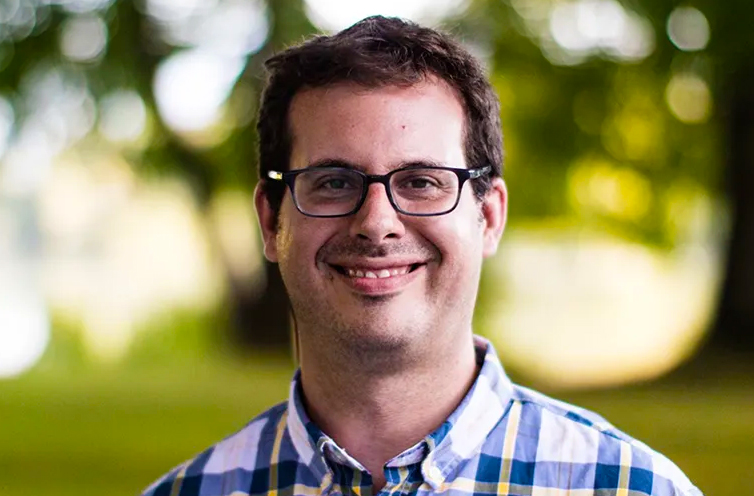
‘Organizations cannot be resilient if they don’t focus their policies and practices on supporting three basic human psychological needs – competence, autonomy and relatedness – in authentic ways.’
“The spread of AI into core tasks of decision-making has the capacity to fundamentally undermine societal resilience. A helpful lens for examining this problem is self-determination theory, which identifies competence,…
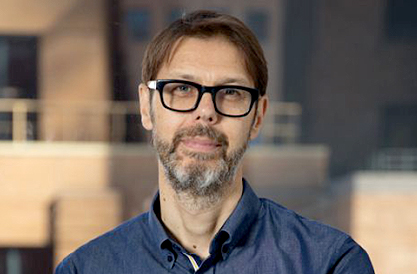
‘Humans-first’ technological design and governance are urgently needed resilience scaffolding. These systems significantly impact humans’ agency, cohesion, understanding and ability to act collectively.
“Over the past year, conversations about digital well-being evolved in a variety of ways, in part as a response to the increase in AI use. Many were initially framed around…
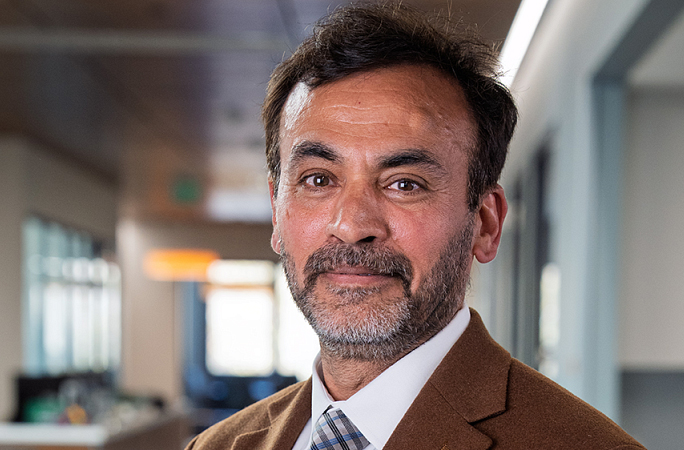
AI is moving into intimate life; this frays old systems of connection and intimacy. ‘What arrives is often not connection but simulation,’ shattering traditionally-valued types of relationships.
“Adaptation to more-advanced AI systems playing a significantly larger role in human lives won’t be uniform. It will vary across cultures and it will depend on what each society already…
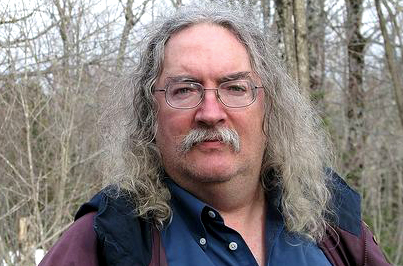
‘If there is ongoing need for leaders, educators, professionals, this will be a sign that the AI revolution has ultimately failed and will signal a long-term limitation in the aspirations of humanity as a species.’
“It’s important to understand there are multiple ways AIs can play a role in our daily lives: As a stand-alone service, like ChatGPT; as an add-on service, like Copilot in…

Addressing job displacement, contraction and loss cannot be reduced to simply telling workers to upskill and learn AI or be left behind. A deeply human-centered societal response is needed now.
“As a work futurist, my perspectives are centered on AI and the complex evolution of the workforce. The next decade will exponentially rewire the structure and composition of the workforce,…

Three groups will emerge: those who build their lives around AI (transhumanists), those who resist (the modern Amish) and pragmatic late adopters. A notable worry is caste-like schisms.
“I expect we will see a trifurcation in people’s approach to AI and resilience, so there’s no single answer to human resilience in the age of AI. Some people will…
‘Allowing our lives to be monopolized by digital devices makes us less resilient, feeling less human and less confident in other humans. … It could be the most serious pandemic humanity has seen.’
“Raise your hand if you aren’t experiencing these: Confusion. Disorientation. Loss of contact with yourself, with reality. Conflating truths. Lack of trust in others and ourselves. Self-doubt of our senses…

The Expression of the Characteristics that Define Human Experience May Evolve – Creativity, Empathy, Critical Thinking and Our Capacity for Deep Personal Connections Will Remain
“By 2035, AI will be an ambient presence that anticipates needs, curates information and entertainment and takes on cumbersome-but-routine tasks. This profound shift will redefine how we view ourselves, feel,…

This is a Future-Defining Time in the Evolutionary Trajectory of Intelligence; It Could Lead to an Age of Abundance and the Rise of ‘HomAI’ Sapiens or Put Us On the Path to Obsolescence
“I’ll list six primary points in predicting how digitally connected people are likely to live and act in 2035: 1. “Humans will rely more and more on AI to improve…

AGI is Likely to Reshape How Humans Experience Self-Expression, Identity and Worth. We Will Also Have to Choose Between Retaining a ‘Classic’ Intellect or Being Enhanced with Tech
“Predicting the future is challenging but building it is even more. That’s my job, and it is difficult since the technological growth and trends expected in the next decade are…