


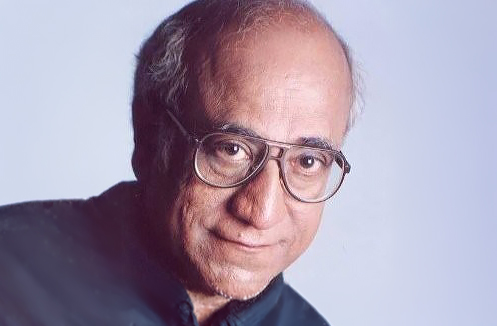
“I confess to being an AI aficionado – I have been one since 1964. My education and research experience make me a critical observer, not a blind fan. I have been a daily user of the Microsoft Copilot LLM for more than a year. It applies semantic dimensions to understand what a user is talking about and has the fluency to make occasional flattering remarks, showing off a form of personality! Its access to resources encompassing a vast swath of human knowledge – including history, science, arts, medicine and technology – makes it a powerful collaborator at work. Its problem-solving abilities include the capability to implement all published algorithms, heuristics and approximate methods while also staying aware of even today’s news. Copilot can now do the bulk of the routine work that researchers and writers do. It surely has increased my productivity and helped me troubleshoot problems in my daily life… However, I believe that AI is the surest way to a global catastrophe that humanity has invented to this point.
I have hopes that a new movement could create a new morality to help us confront the challenges. … The rarity or uniqueness of anything like the human civilization in all the observable universe could inspire many people to join the proposed movement. Humanity would be most un-intelligent if it creates such a unique civilization and then fails to save it from destruction.
“We are not a mature society globally and yet we have acquired extremely dangerous weapons. When people are running away from a city under bombing, rarely do they think of their neighbours. So, I doubt that humanity can come together to agree on effective international cooperation against malevolent AI.
“We have no warning system for specific dangers and we have no treaties like the ones that confronted mutually assured destruction by nuclear weapons in the late 20th Century. Safeguards and treaties against runaway AI may come in 10 years, but that may be too late.
“Innovative technologies for use in intercontinental navigation in the 15th century onward made popular scientific theories such as the Copernican Heliocentric theory and threatened formal religion. We should not underestimate a similar threat to religious beliefs being the result of developments in AI.
“The biggest threat is to our economic and social structures. The concept of jobs as the mechanism for providing an income and survival is under threat. The mechanism of taxing individuals’ income to provide the bulk of government expenditure is also under threat. Do all human beings have an inherent right to incomes irrespective of their employment? Does this right cover all regions of the Earth, or is it confined to residents of economically advanced nations? This question threatens our political foundations.
“Traditional pedagogies force students to learn a lot of information and knowledge just in case they may need it during their lives. AI has trashed these pedagogies, by giving information and knowledge on demand. The pace of change in most fields of human endeavor make it meaningless to restrict learning to the first quarter of one’s life. New pedagogies need to be evolved to teach all people to live in a turbocharged world in which they must learning to change and adapt all their lives.
“I think like an engineer, clinging to hope at the worst of times. I will be thinking of solutions to problems till my last breath. So, let me describe my hopes.
“The power of compounded earnings makes me believe that poverty may not be as big a threat as it has been in the past. The problem is a moral one. Do most people recognize that the speed of social and economic change is already extremely high? Can we create a new movement for moral and ethical considerations before the AI hurricane destroys half of humanity?
“I have hopes that a new movement could create a new morality to help us confront the challenges. I take hope from the green parties which have had a degree of success in earning public support to face the threat to sustainability of human life on Earth. The rarity or uniqueness of anything like the human civilization in all the observable universe could inspire many people to join the proposed movement.
“Humanity would be most un-intelligent if it creates such a unique civilization and then fails to save it from destruction.”
This essay was written in January 2026 in reply to the question: “AI systems are likely to begin to play a much more significant role in shaping our decisions, work and daily lives. How might individuals and societies embrace, resist and/or struggle with such transformative change? As opportunities and challenges arise due to the positive, neutral and negative ripple effects of digital change, what cognitive, emotional, social and ethical capacities must we cultivate to ensure effective resilience? What practices and resources will enable resilience? What actions must we take right now to reinforce human and systems resilience? What new vulnerabilities might arise and what new coping strategies are important to teach and nurture?” This and 200-plus additional essay responses are included in the 2026 report “Building a Human Resilience Infrastructure for the AI Age.”